Two major government publications released on 23 February—the Every Child Achieving and Thriving white paper and the Neurodivergence Task and Finish Group (NDTFG) Report—draw heavily on the evidence syntheses and analyses produced by Child of the North.
Their publication marks a significant moment for Child of the North’s mission to bring together research, practice and policy to improve outcomes for children across the North of England and the wider UK.
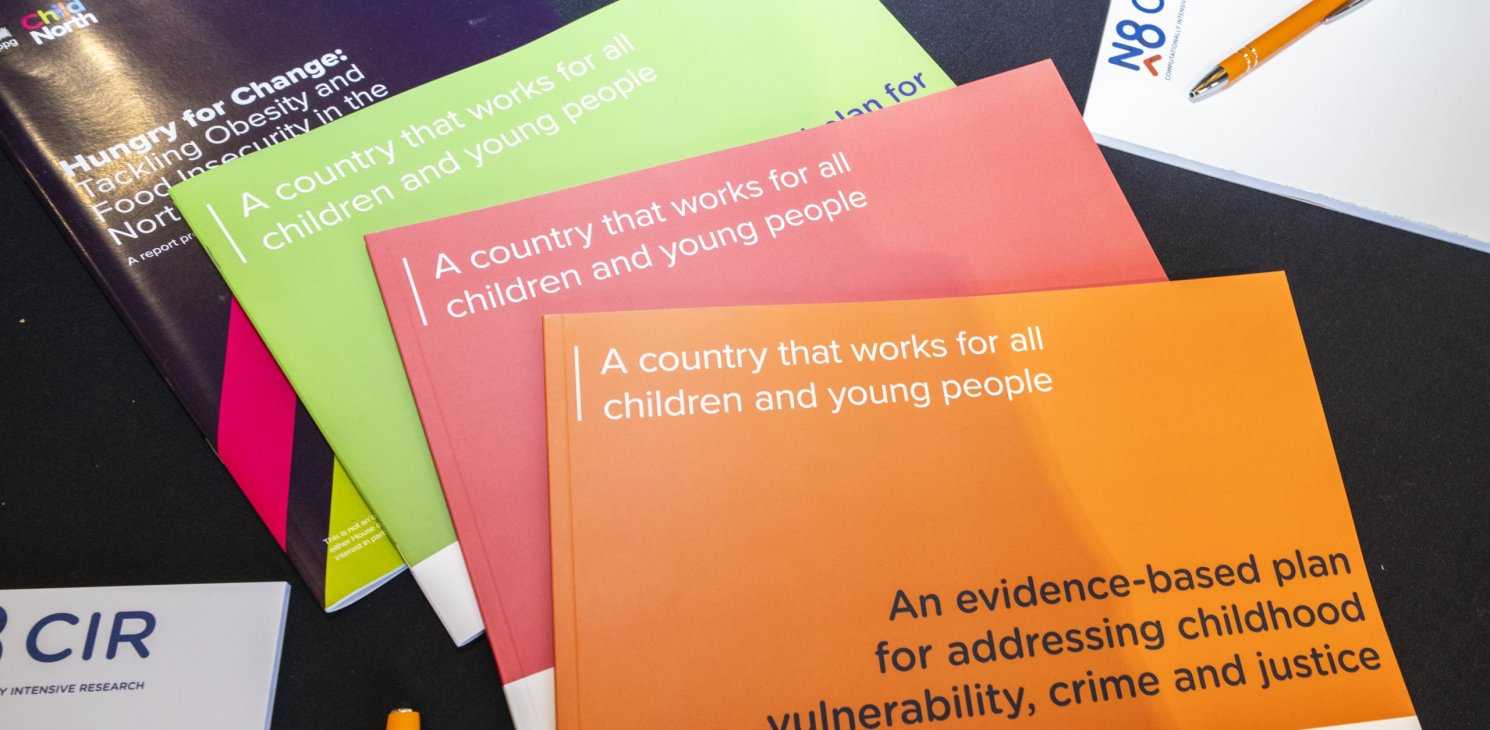
For several years, Child of the North has convened researchers, practitioners and policymakers to examine what existing evidence tells us about children’s health, education and wellbeing. The Child of the North reports distil complex research into clear, actionable insights for decision‑makers. The themes highlighted in these reports are visible across both policy documents published on 23 February.
Child of the North analysis reflected in the Neurodivergence Task and Finish Group report
The NDTFG report cites Child of the North analyses in shaping its recommendations for a needs‑led, inclusive system. Its recommendations for earlier identification, holistic assessment and coordinated support echo findings from Child of the North reports showing that fragmented systems can delay help and worsen outcomes for neurodivergent children and young people. The report’s emphasis on improved information‑sharing across education, health and social care aligns with Child of the North’s argument that connected data is essential for understanding children’s needs in context.
Government white paper aligns with Child of the North evidence on inclusion and early support
The Every Child Achieving and Thriving white paper similarly reflects themes highlighted in Child of the North’s evidence reviews. It acknowledges that isolated services cannot deliver lasting change and that schools must be supported by integrated systems around them, an argument central to Child of the North’s work on early development, school readiness and long‑term outcomes. Its focus on inclusive mainstream education, earlier support for children with Special Educational Needs and Disabilities, and stronger collaboration across services resonates with the evidence base synthesised in Child of the North reports.
A timely moment: Child of the North convenes national stakeholders in Manchester
The publication of these policy documents coincided with the Child of the North Data Showcase in Manchester on 23 February, where policymakers, researchers, clinicians and frontline practitioners explored how connected data can support earlier, more effective intervention for children with Special Educational Needs and Disabilities. Representatives from government departments attending the event noted the usefulness of Child of the North’s reports in clarifying system challenges and opportunities.
Strengthening collaboration to improve outcomes
The events of 23 February highlight the constructive role that independent evidence synthesis and cross‑sector collaboration can play in informing national policy. While significant challenges remain across the education and SEND systems, it is encouraging that the analyses produced by Child of the North are contributing to ongoing discussions about how to improve support for children and young people.
Child of the North will continue to work with partners across research, practice and government to ensure that high‑quality evidence informs future policy and implementation.