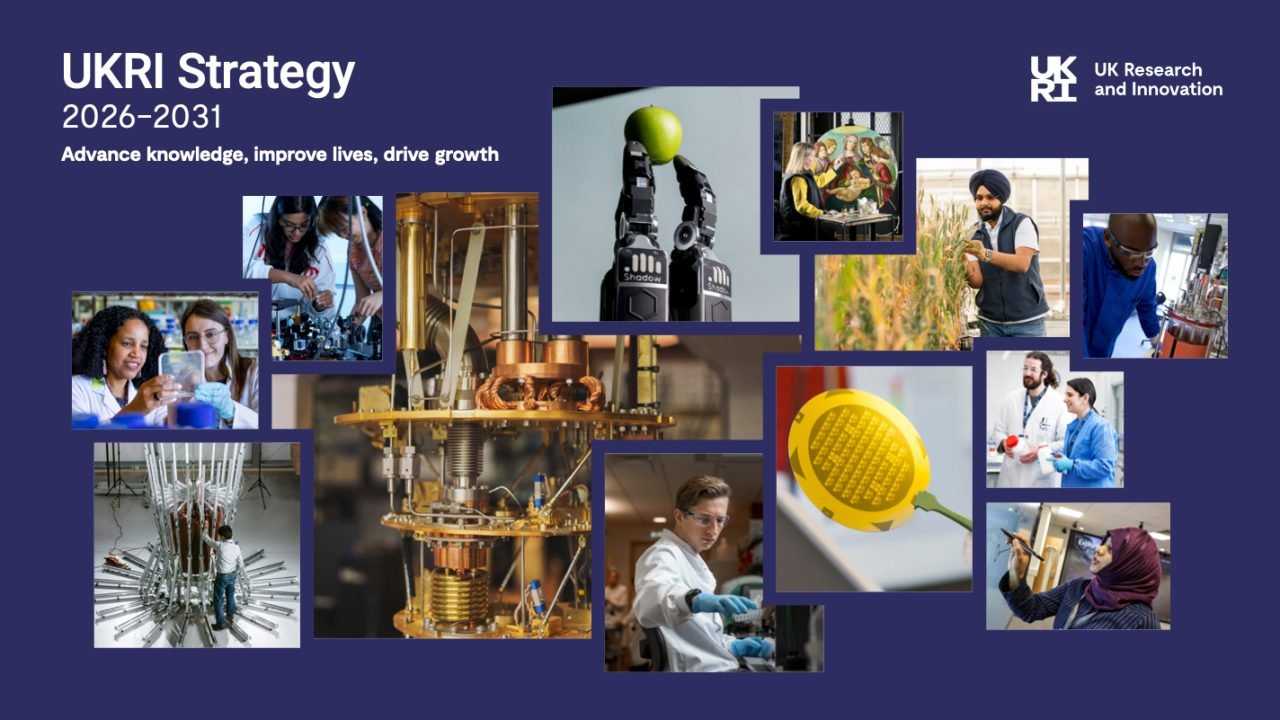
Dr Colin Tattam, Director of the N8 Research Partnership responds to the new UK Research and Innovation Strategy 2026 to 2031
“I’ve been looking through UKRI’s newly published Strategy and Delivery Plan, and what struck me most was the broader signal it sends about how UKRI wants the research and innovation system to work.
Greater selectivity. Fewer, more integrated interventions. Stronger links between discovery, national priorities and business growth. More emphasis on place, on delivery, and on moving partnerships from transactional to strategic.
There is a lot in that which resonates with me. It aligns with much of the current thinking across N8 and speaks to the kind of research and innovation system the North is well placed to help build.
The UK clearly has no shortage of excellent research. The challenge is connecting and mobilising that excellence around the biggest opportunities – across institutions, disciplines, sectors and places, and from discovery through to adoption and scale.
That feels particularly important as the landscape continues to evolve. Devolution is changing where decisions are made. Mayoral institutions are becoming more influential. Government and funders are placing greater emphasis on growth, resilience, place and delivery. Universities themselves are under pressure to be more selective about where they invest time and effort.
In that context, I welcome UKRI’s ambition to move partnerships from transactional to strategic. Collaboration must be purposeful.
That sounds simple, but it is quite a significant challenge. Strategic partnership means more than joining together in response to a funding call. It means understanding where there is genuinely something distinctive to build, bringing the right capabilities together early, being clear about the outcomes we are trying to achieve, and developing propositions with a credible route to investment and delivery.
For me, that is where some of the biggest opportunities now lie. Not every issue needs a new partnership. Not every opportunity requires scale. Not every collaboration adds value simply because it exists. But where there is a major national opportunity, complementary capability across institutions and places, and a genuine route to impact, there is a strong case for being more deliberate about how we connect and mobilise those strengths.
The growing focus on place is important here too. The opportunity, in my view, is not to create new layers of duplication around existing local and regional structures, but to work with them and connect strengths where doing so can create something bigger, more investable and more nationally significant.
The new strategy doesn’t set research excellence and growth against each other, and that is important. Discovery remains fundamental. The opportunity is to become better at connecting excellence to wider economic and societal outcomes, while recognising that those pathways are not linear and cannot always be engineered.
That balance matters.
For N8, that reinforces the need to be increasingly deliberate about where we choose to work together: focusing on opportunities that combine research and innovation excellence, national significance, distinctive regional strengths and a credible pathway to delivery.
Overall, my reaction is a positive one. The new strategy feels clearer about choices, more explicit about outcomes and more interested in how different parts of the system connect.
The challenge, as always, is delivery. But the direction of travel feels right.”